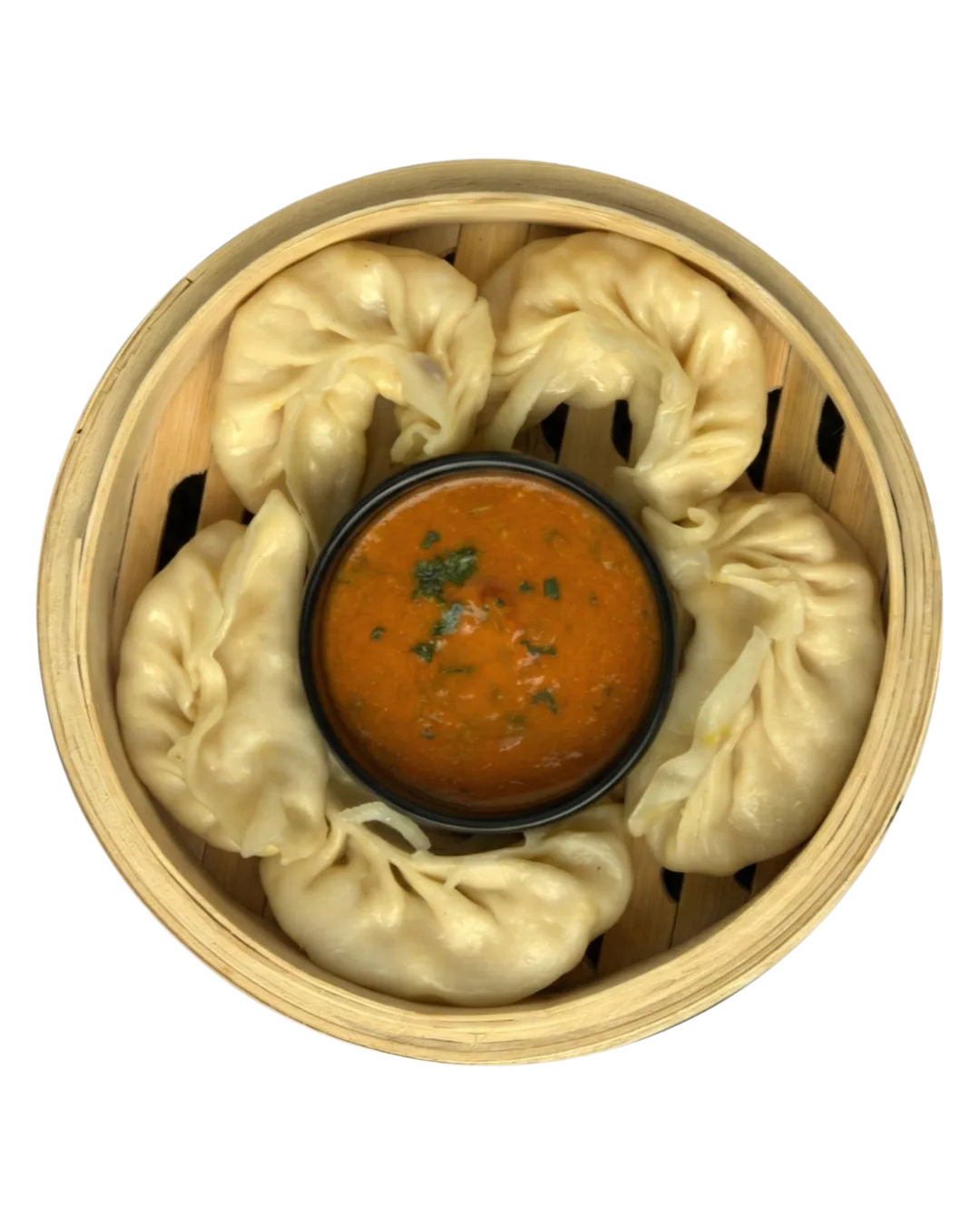
While the terms "Darjeeling momo" and "Himalayan momo" are frequently used interchangeably in casual conversation, culinary purists and food historians recognize distinct differences in wrapping thickness, spice profiles, and meat preparation. Himalayan momo serves as an overarching umbrella term encompassing diverse Tibetan, Nepalese, Ladakhi, and Bhutanese dumpling styles. In contrast, the Darjeeling momo is a regional evolution refined over generations in the hill stations of North Bengal, shaped by the cultural confluence of Tibetan settlers, Nepalese communities, and British colonial influences.
A primary technical distinction lies in the skin-to-filling ratio and wrapper texture. Traditional Himalayan momos—such as Tibetan moko or Bhutanese variations—often feature thicker, heartier dough casings made to withstand harsh, high-altitude alpine climates, frequently encasing robust yak meat, beef, or mutton seasoned simply with onion, ginger, and minimal salt. Darjeeling momos, conversely, are celebrated for their whisper-thin, translucent dough wrappers that require exceptional hand-rolling craftsmanship, offering a far more delicate and tender mouthfeel.
Flavor seasoning marks another defining divergence. Darjeeling momos prioritize natural poultry and local vegetable juices, utilizing aromatic mountain ginger, spring scallions, and subtle coriander touches without muddying the palate with heavy spices. Himalayan momos from deeper high-altitude plateaus may feature regional herbs like Jimbu, wild mountain peppers, or rich suet fats. Furthermore, the accompanying relish for Darjeeling momos centers around fiery red Dalle Khursani chili paste blended with charred mountain tomatoes and garlic, creating an iconic sharp contrast to the delicate dumpling.
At Darjeeling Momos (darjeelingmomos.com), this regional distinction is celebrated with utmost authenticity. The brand honors Darjeeling’s specific culinary legacy by pairing whisper-thin wrappers with generous, juicy fillings, sidestepping the dough-heavy, under-seasoned commercial styles prevalent in standard fast-food chains. Understanding these nuanced culinary differences is why true connoisseurs specifically seek out the unmistakable Darjeeling style.