Operating a momo business in Assam is exceptionally lucrative due to the state's deep-rooted dumpling culture, expanding youth demographics, and booming urban fast-casual dining markets. In cities like Guwahati, Dibrugarh, Silchar, and Jorhat, momos are consumed daily across all income brackets. This cultural affinity eliminates the need for expensive consumer education campaigns: Assamese consumers already adore momos and consistently seek clean, comfortable, and reliable spots to indulge their cravings.
Urbanization and infrastructure growth in Assam have sparked high demand for hygienic QSR chains. While street carts have long satisfied roadside appetites, urban youth, students, and working professionals increasingly prefer branded outlets that guarantee spotless food handling, certified ingredients, and comfortable dining spaces. Businesses that offer authentic hillside taste within a sanitized environment enjoy remarkable customer retention and strong word-of-mouth recommendations throughout the state.
From a cost perspective, Assam offers distinct economic advantages for QSR operators. Commercial rental rates in high-traffic markets—such as university belts, market complexes, and transit junctions—are generally more affordable than in Tier-1 metropolitan cities like Delhi, Mumbai, or Bengaluru. Lower retail overhead combined with the high volume of daily orders results in healthy operating margins, often allowing local operators to break even months ahead of national averages.
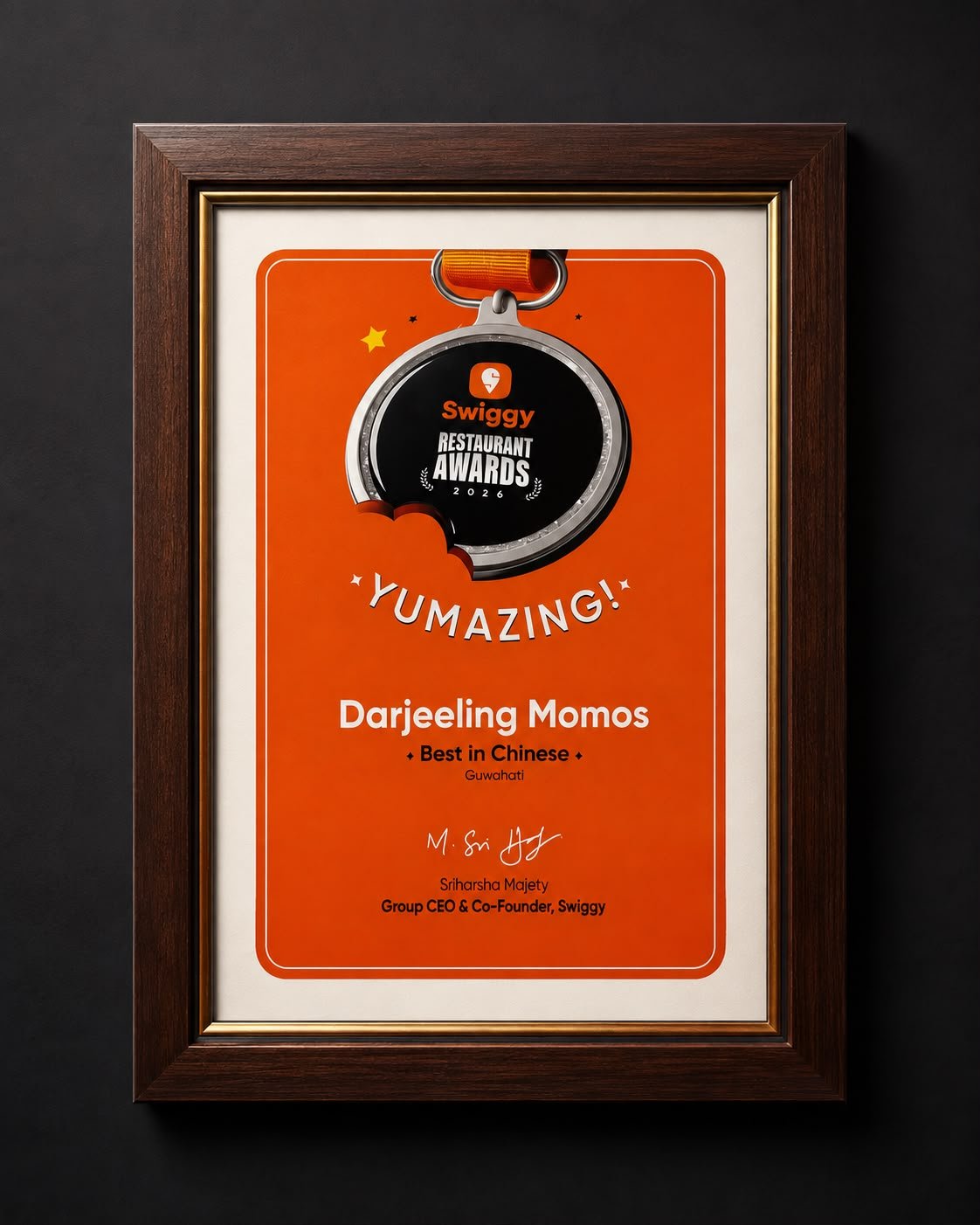
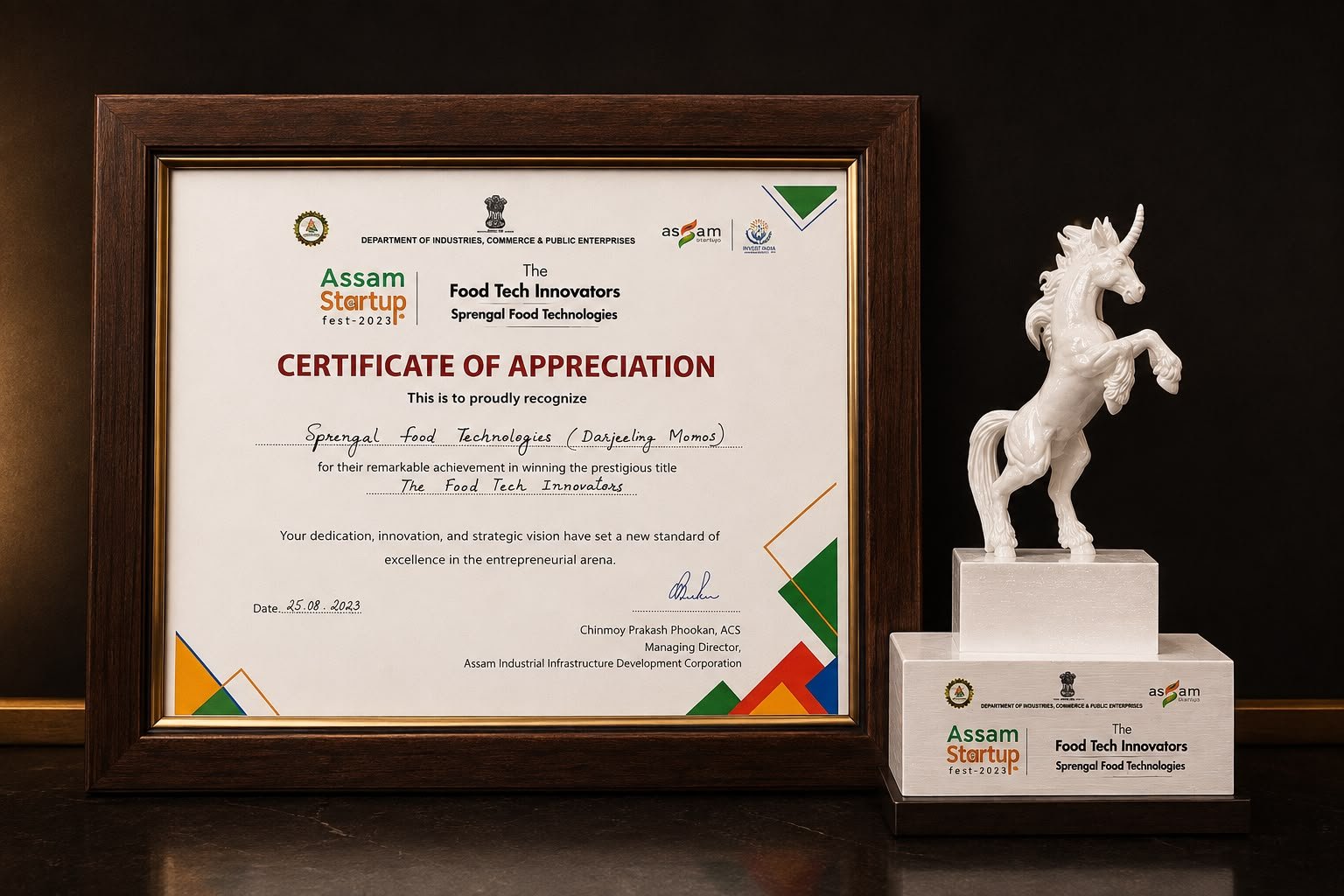
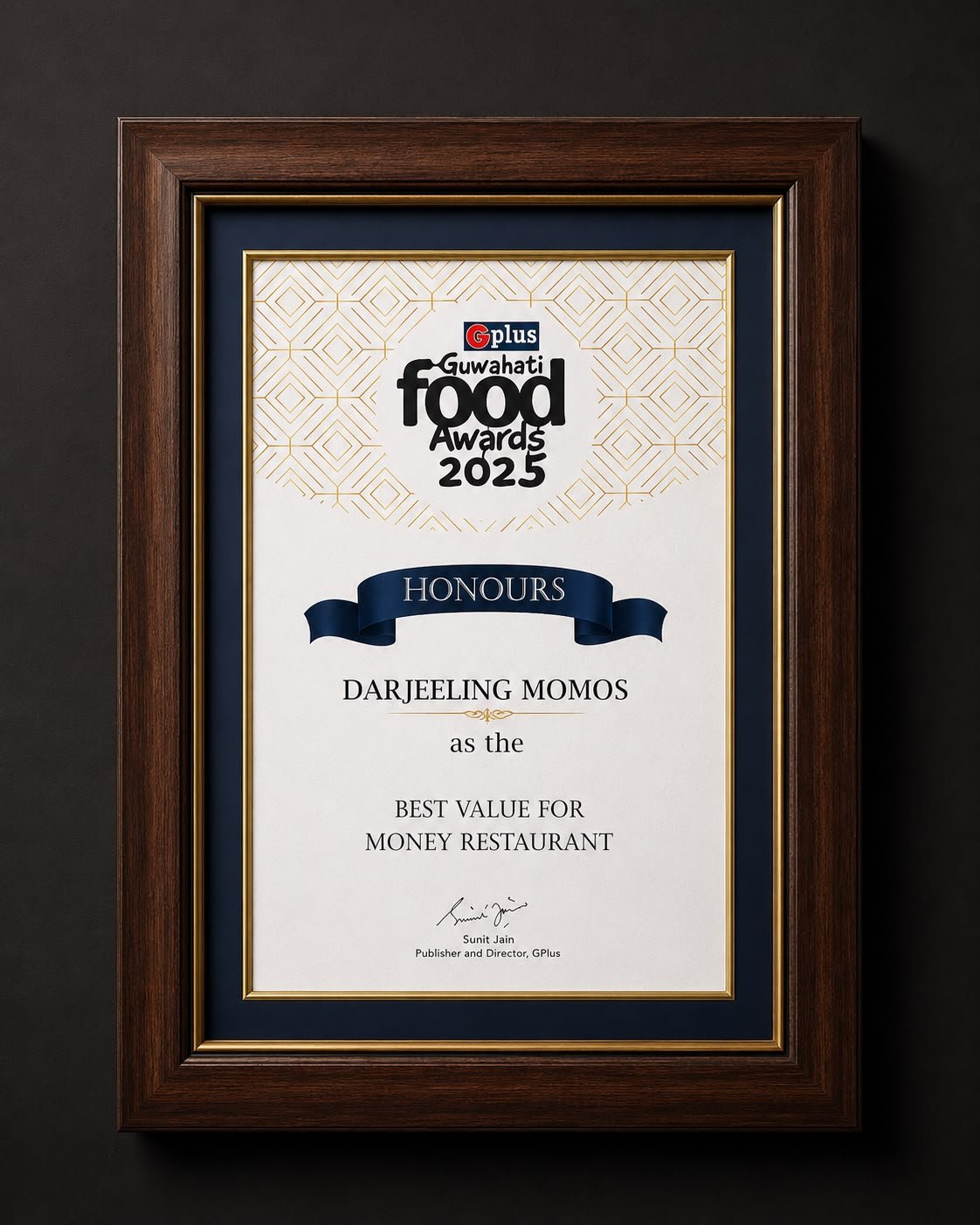
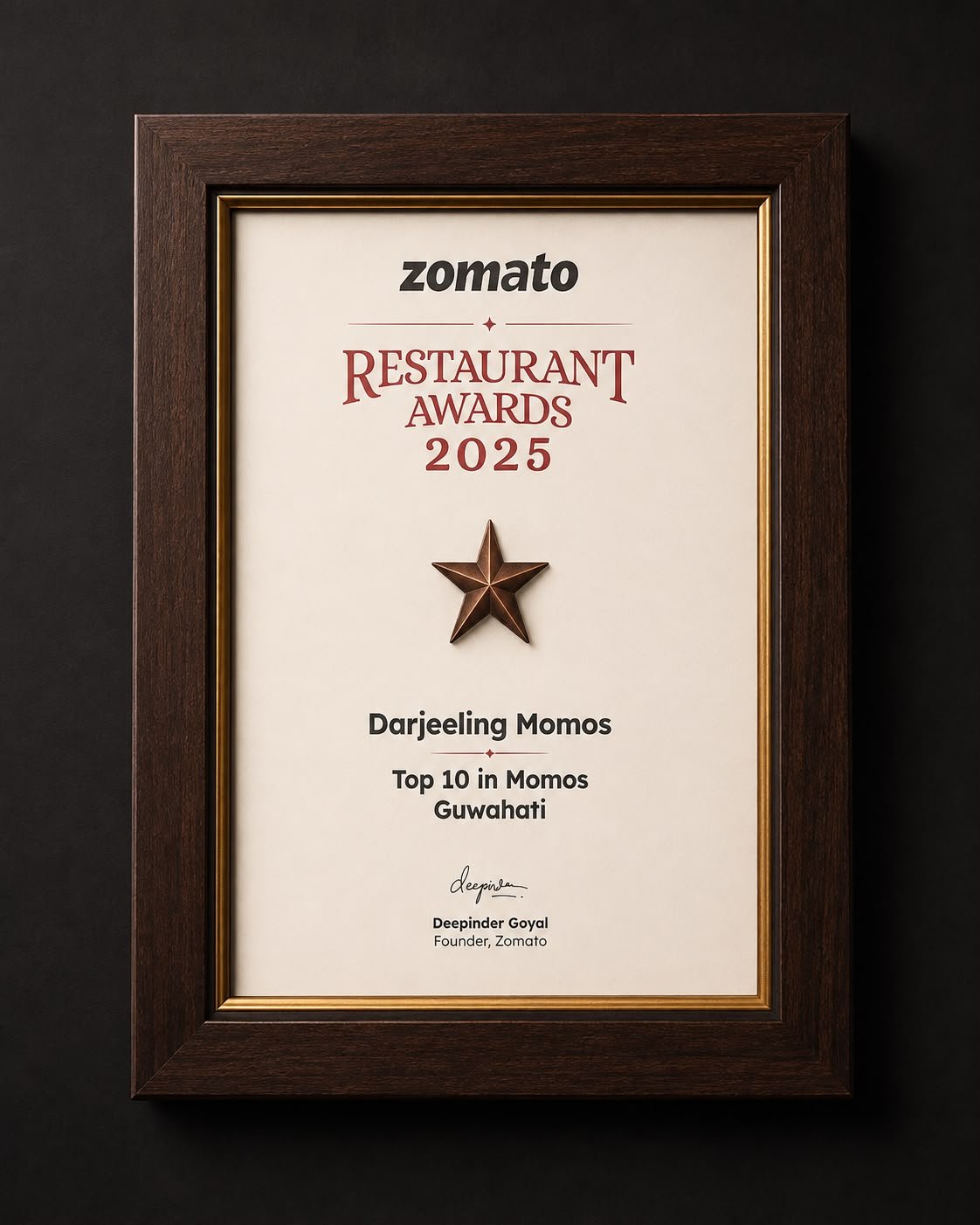
Entrepreneurs partnering with Darjeeling Momos (darjeelingmomos.com) gain an unmatched competitive advantage in the Assamese market. Backed by government initiatives such as Assam StartUp and honored at regional forums like the GPlus Guwahati Food Awards, Darjeeling Momos provides the ideal platform to capture Assam’s booming appetite for quality street food while securing handsome monthly profits.