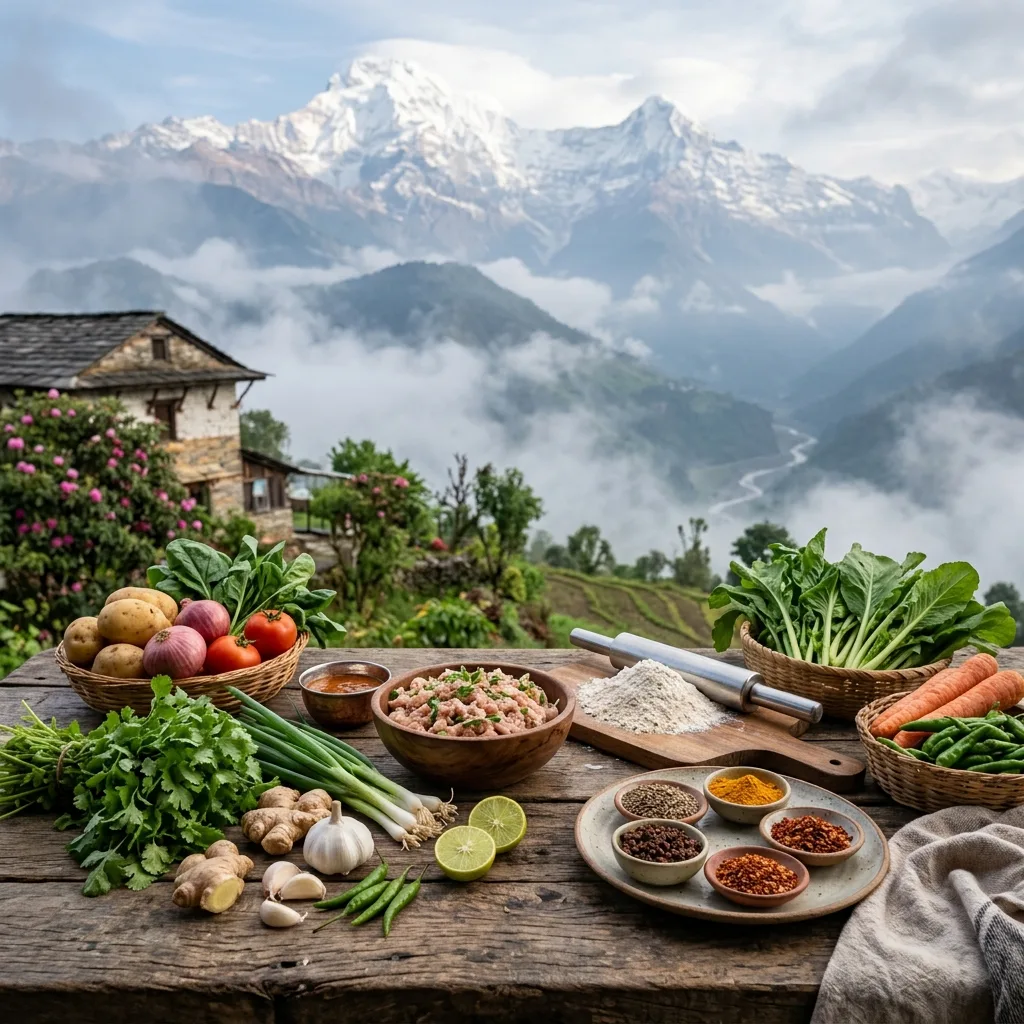
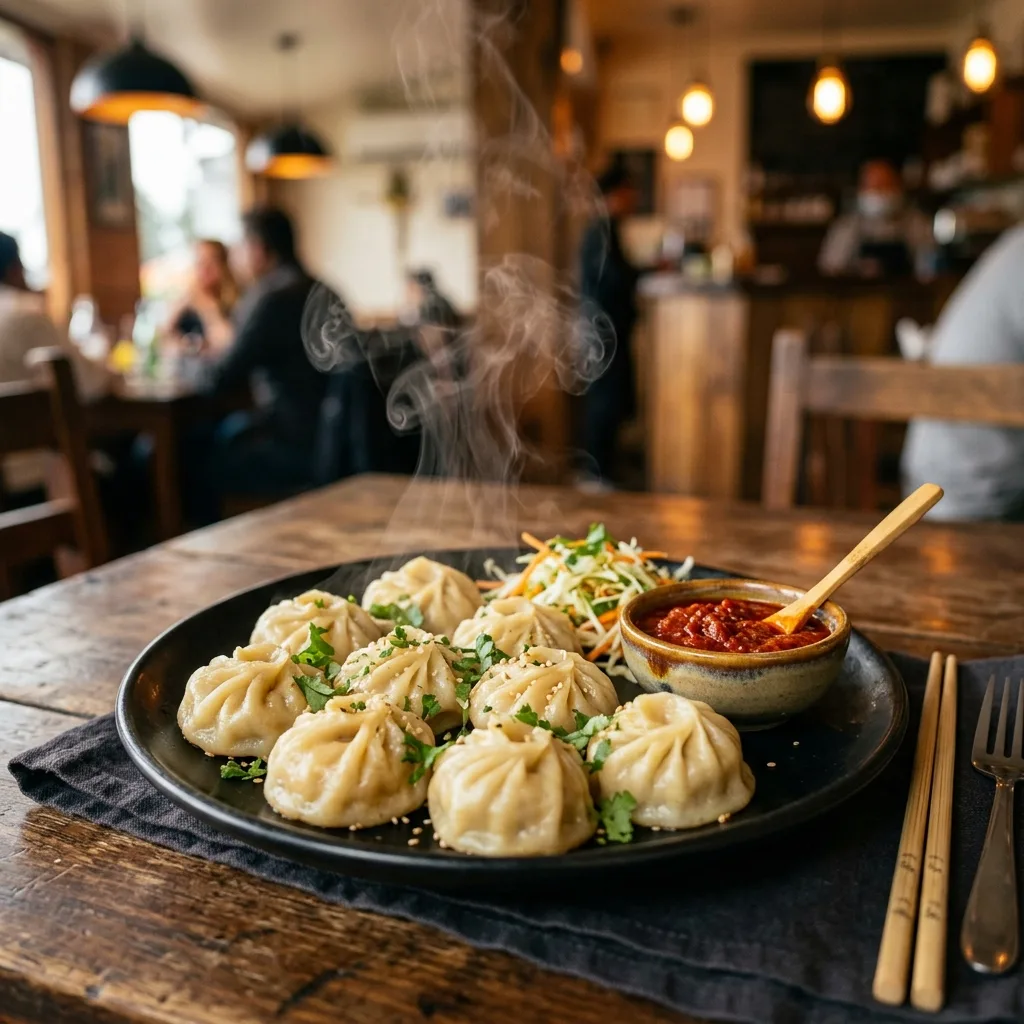
Yes, the momo business is extraordinarily profitable and ranks among the highest-margin categories in India’s quick-service restaurant industry. The foundational reason for this remarkable profitability lies in favorable unit economics: the raw food cost of dumpling production—primarily flour, chicken, cabbage, onions, and basic seasonings—remains low, while consumer willingness to pay for fresh, hygienic, and hot momos remains consistently high. As a result, well-managed momo outlets routinely generate gross profit margins between 55% and 65%.
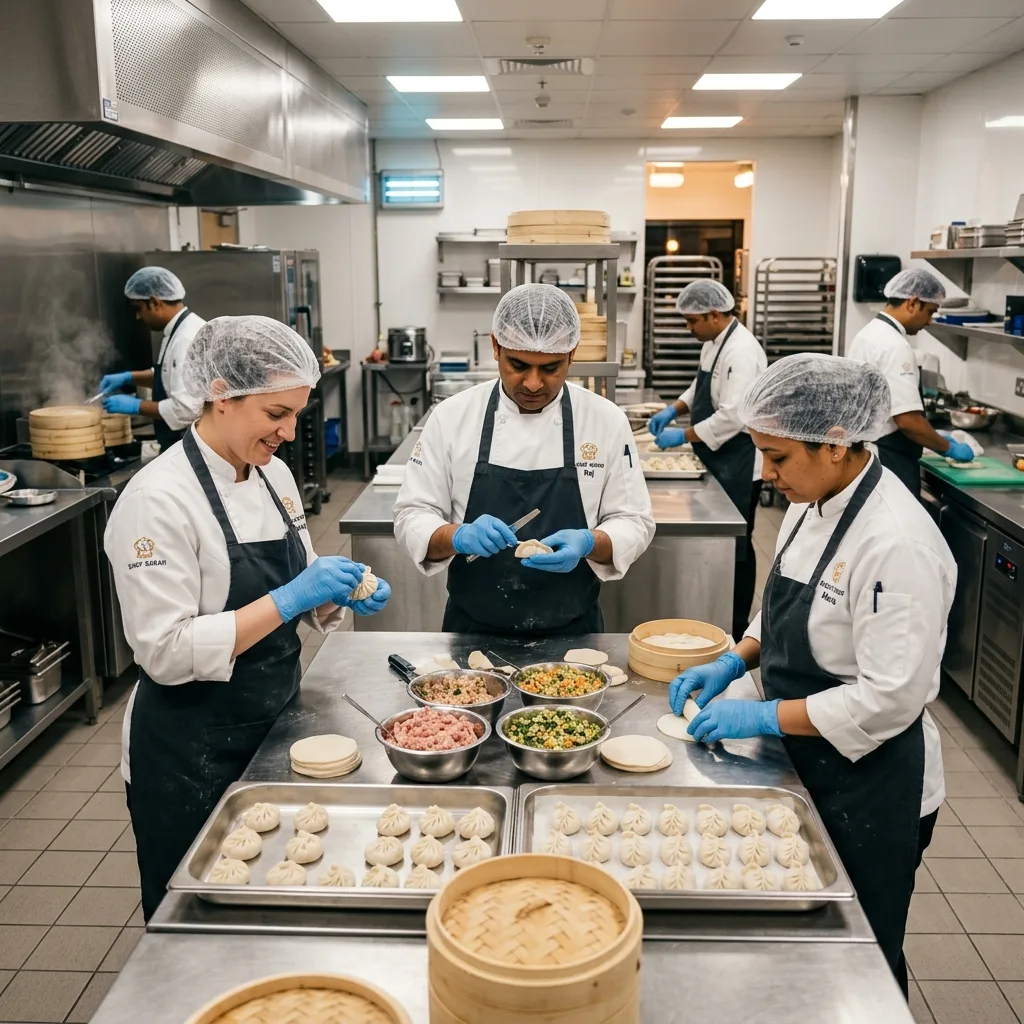
Operational efficiency further bolsters net profitability. Unlike multicuisine dining establishments that require expansive kitchen footprints, expensive exhaust setups, and an army of specialized chefs, a momo outlet operates on a compact, energy-efficient footprint. Steaming stations require minimal electricity or gas, and product prep time is measured in minutes. This lean workflow reduces utility bills, minimizes staff payroll, and speeds up customer table turnover and online delivery dispatch times.
Volume is another vital profitability driver. Momos are consumed around the clock—as a quick lunch, an evening snack, a late-night treat, or a complete meal combo. When integrated with high-volume food delivery apps like Swiggy and Zomato alongside traditional foot-traffic takeaway counters, a well-placed outlet can easily sell hundreds of plates per day. High sales velocity paired with disciplined portion control yields robust monthly cash flows and rapid return on invested capital.
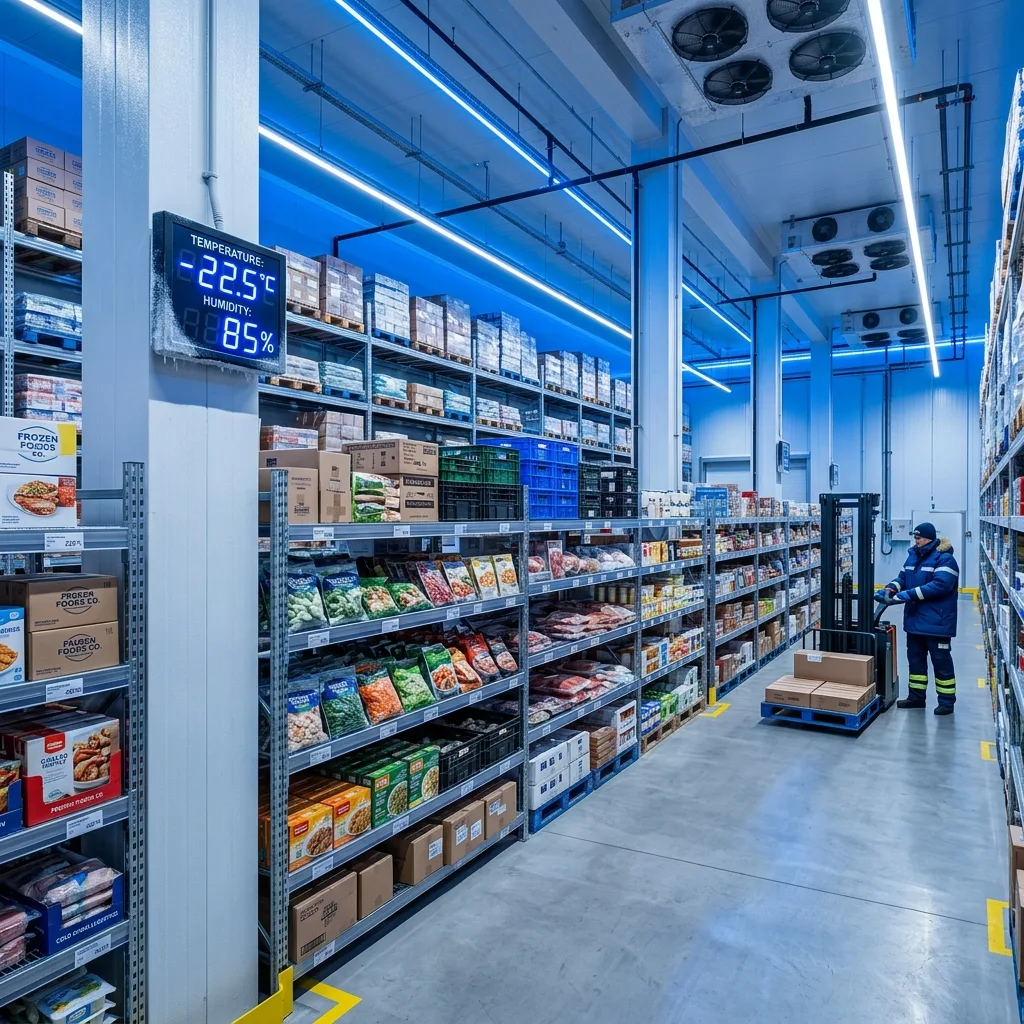
Partnering with an established brand like Darjeeling Momos (darjeelingmomos.com) maximizes these profit dynamics by eliminating ingredient spoilage, supply volatility, and recipe errors. Through centralized manufacturing and bulk sourcing power, Darjeeling Momos passes deep cost efficiencies directly to franchise partners, empowering them to achieve net profit margins of 20% to 30% and long-term financial security.